
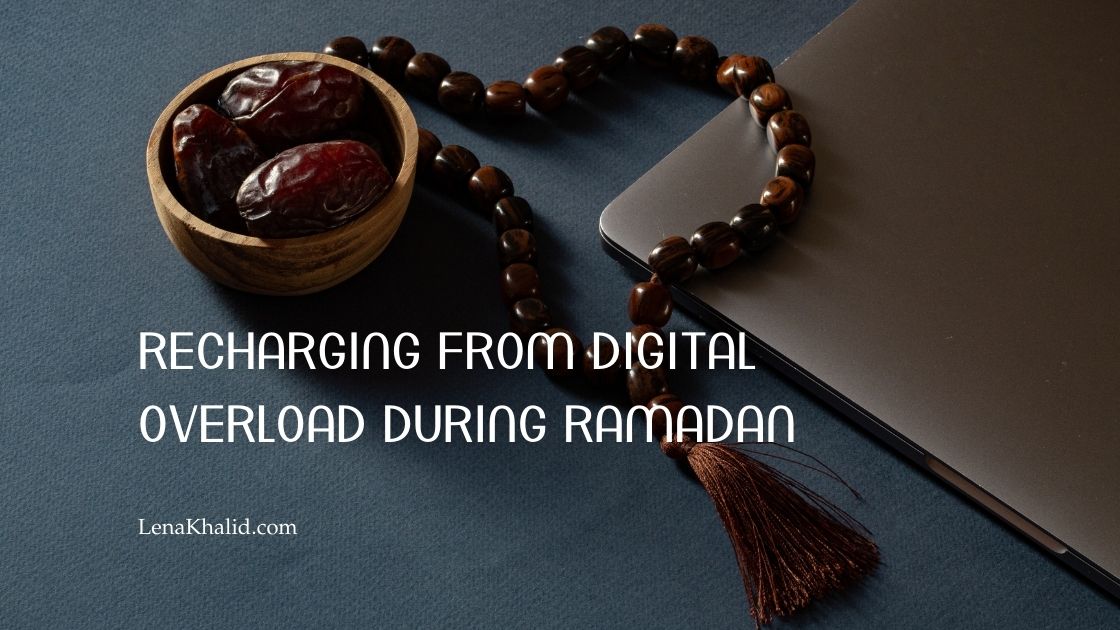
Recharging from Digital Overload During Ramadan
Ramadan is meant to be a month of reflection, restraint, and spiritual renewal. Yet in today’s world, it can quietly become another season of digital intensity. You check prayer times on your phone, scroll through inspirational posts, watch short reminders, reply to messages about iftar plans, browse recipes, and move from one app to another without noticing how much mental energy is being used.
Each action seems harmless. But together, they create a steady stream of stimulation that leaves your mind cluttered and your heart distracted. Instead of feeling spiritually present, you may feel mentally scattered or oddly fatigued — even during a month meant for inner clarity.
Recharging from digital overload during Ramadan does not mean abandoning technology. It means using it with intention.
One simple way to begin is by adding a conscious pause before opening an app. Before checking social media or messages, take one slow breath and ask yourself: Is this necessary right now? That small pause interrupts the automatic habit and gently brings you back to awareness. Ramadan is about intentional living — even in small moments.
Short digital breaks can also restore mental calm. Between tasks, step away from screens for a few minutes. Sit quietly after prayer without reaching for your phone. Look outside. Take a short walk before iftar. Let your mind settle instead of constantly absorbing new input. When you remove continuous stimulation, your thoughts slow down, and your focus deepens.

Reducing background digital noise is especially powerful in Ramadan. Turn off non-essential notifications. Close extra tabs. Silence group chats that are not urgent. When your attention is not constantly being pulled in different directions, you create mental space for reflection, gratitude, and presence. Your fast is not only from food — it can also be from unnecessary distraction.
Grounding activities further support your recharge. Preparing a simple meal mindfully, setting the table, journaling after taraweeh, reading a few pages of Qur’an without multitasking, or doing light household chores in silence can steady your rhythm. These actions are not meant to stimulate you. They are meant to anchor you.
Ramadan invites you to slow down internally, even if life around you continues at its usual pace.
You might also consider simplifying your digital routine for the month. Limit how often you check certain apps. Designate specific times for messages instead of responding constantly. Choose one task at a time instead of switching between multiple things. These small boundaries protect your spiritual focus and emotional energy.
Recharging from digital overload during Ramadan is about balance, not restriction. Technology can still serve you — through reminders, learning, and connection — but it should not consume your awareness. With small, consistent adjustments, you can create a Ramadan that feels quieter, clearer, and more spiritually fulfilling.
In a month dedicated to purification, even your digital habits can reflect mindfulness. When your mind is less crowded, your heart has more space to connect.
Stop Waiting. Start Doing.
You will love these posts too :

El Niño Heatwave in Malaysia — Is It Time to Get an Air Conditioner?
Malaysia is experiencing hotter weather during El Niño. Discover how Rent-To-Own air conditioners from LG, Khind and Movon let you install now and pay monthly with no large upfront cost.


Why Dates Matter in Ramadan
Why Are Dates So Closely Associated with Ramadan? When Ramadan begins, one image appears consistently…

4 Ways Introverts Can Enjoy More Social Confidence
We used the word “enjoy” in that title for a reason. Social confidence is important…